





IIT Patna Apply Now
Batch 3 Now Open  ·  500+ Developers Enrolled  ·  Live with IIT Patna  ·  Batch 3 Now Open  ·  500+ Developers Enrolled  ·  Live with IIT Patna  ·  Batch 3 Now Open  ·  500+ Developers Enrolled  ·  Live with IIT Patna  ·  Batch 3 Now Open  ·  500+ Developers Enrolled  ·  Live with IIT Patna  · 
6 Months

Professional Certificate in Generative AI &
Agentic AI
for Developers

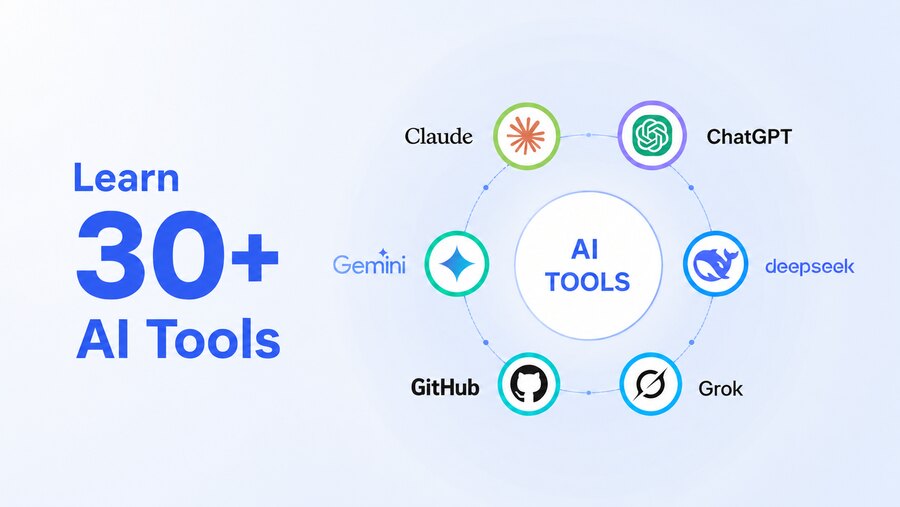
Master 30+ AI Tools, Libraries & Frameworks
Build RAG Systems, AI Agents & LangGraph Workflows
Ship Production-Ready GenAI Applications
Python Refresher Included - No GenAI Experience Needed
Batch 3
Now Open
500+
Developers Enrolled
30+
Live Classes
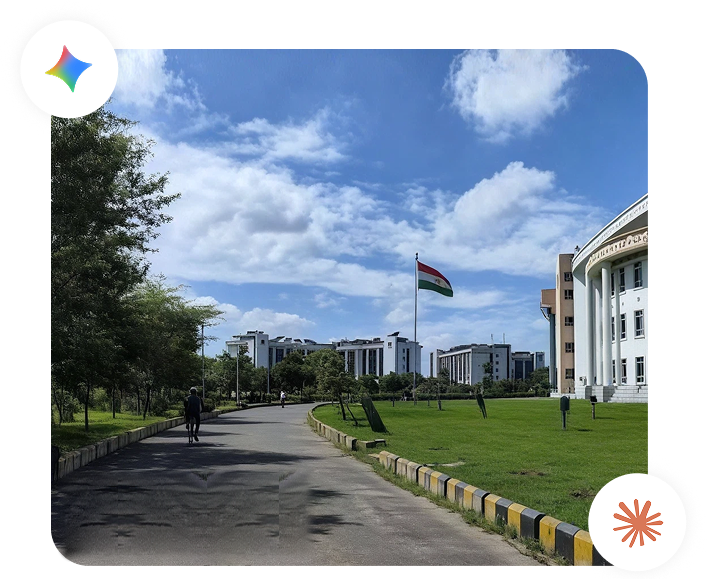
IIT Patna campus - Generative AI & Agentic AI for Developers
Learners From Leading Companies
Google Swiggy Bosch TATA CLiQ MSCI Microsoft Google Swiggy Bosch TATA CLiQ MSCI Microsoft
Program Highlights

What You’ll Learn, Build and Gain from the Program

Learn 30+ AI Tools, SDKs & APIs

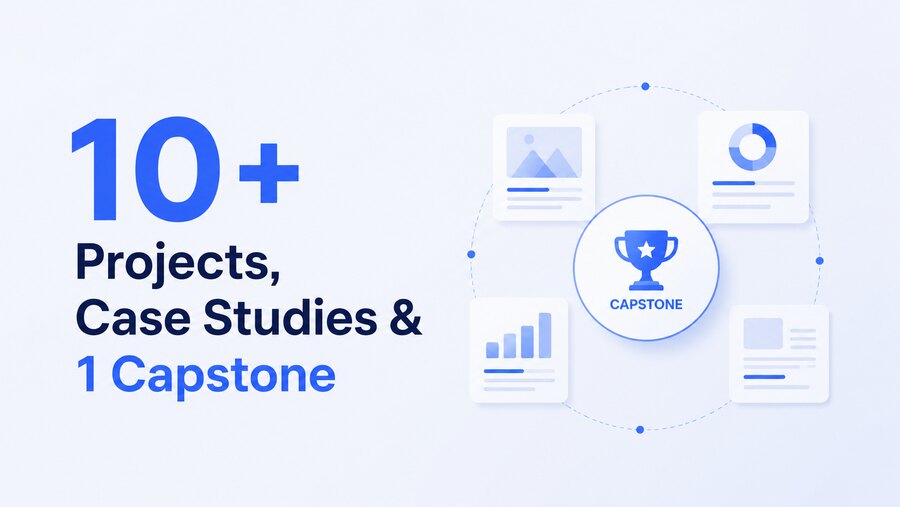
5 Structured Modules + 1 Capstone Project

Lifetime Access to Repo & Code Templates

Resume, LinkedIn & Interview Prep Support

Download Brochure & Explore the Developer Curriculum

Download Brochure

AI Tools & Frameworks You’ll Learn & Apply

Hands-on exposure to leading LLM APIs, open-source models, agent frameworks, vector databases, and deployment tooling.


OpenAI
Claude
Gemini
Mistral AI
Hugging Face
Ollama
LM Studio
vLLM
LangChain
LangGraph
ChromaDB
FAISS
CrewAI
n8n
Replit
Cursor
GitHub Copilot
GitHub
Docker
FastAPI
Streamlit
Python
Jupyter
AWS

*Some of the tools mentioned above may be replaced with newer or updated tools based on evolving market conditions. Such decisions shall be made at the sole discretion of the University.

Who It's For

Designed for Developers & Engineers

Fresher Software Engineer

Experienced Software Engineer

Service-Company Engineer

Python Developer

Backend Engineer

Full-Stack Developer

Data Scientist

ML Engineer

Data Engineer

MLOps / DevOps Engineer

QA / Automation Engineer

Engineering Student

Program Curriculum

6 months · 30+ live classes · built for developers. Working knowledge of Python helps - Module 1 includes a Python refresher, and no prior GenAI experience is needed.

Module 1
What You’ll Learn
  • Roadmap - how developers (not data scientists) thrive in GenAI
  • Transformers explained simply - tokens, embeddings, context windows, self-attention
  • APIs vs local models - OpenAI, Anthropic, Mistral, Hugging Face, Ollama
  • Running local LLMs with Ollama, LM Studio and vLLM
  • Cost management, prompt budgeting, rate limits · LoRA & QLoRA fine-tuning
  • Production-style pipelines without frameworks - memory, parsing, retries, fallbacks
Goal

Understand LLMs and APIs deeply and build production-style GenAI applications without frameworks - with clarity on how GenAI systems work under the hood.

Tools Used
PythonJupyterOpenAIOllama
Key Takeaway

Your first GenAI Python script · one chatbot compared across API, open-source and local models · a memory + UI chatbot with zero frameworks.

Module 2
What You’ll Learn
  • LangChain & LlamaIndex fundamentals - chains, memory, streaming interfaces
  • Document loading & chunking strategies
  • Embeddings, semantic similarity & retrieval pipelines
  • Re-ranking, context assembly & reducing hallucinations
  • Vector stores: Pinecone, Chroma, FAISS & pgvector - HNSW and IVF indexing
  • Hybrid search (keyword + vector), metadata filtering, scaling & cost trade-offs
Goal

Learners can design and build production RAG systems that answer accurately over private knowledge bases, and choose the right vector store for scale, latency and cost.

Tools Used
LangChainLlamaIndexPineconeChromaFAISS
Key Takeaway

A RAG assistant answering over a 100-page corpus with citations, backed by a hybrid semantic search engine.

Module 3
What You’ll Learn
  • What makes an ‘agent’? ReAct & planning loops
  • Tool / function calling in depth, with memory & scratchpads
  • The Model Context Protocol (MCP)
  • Orchestration with LangGraph, CrewAI & the OpenAI Agents SDK
  • Agent-to-agent communication, task decomposition & delegation
  • Guardrails, safe tool execution, human-in-the-loop & debugging agent traces
Goal

Learners can build autonomous agents that reason and call tools, then orchestrate teams of specialised agents to solve complex, real-world workflows.

Tools Used
LangGraphCrewAIMCPOpenAI Agents SDK
Key Takeaway

A multi-agent system where planner, researcher and writer agents collaborate on a report.

Module 4
What You’ll Learn
  • Fine-tuning vs prompting vs RAG - LoRA & QLoRA on open models
  • Evaluating LLM outputs: LLM-as-judge, rubrics & regression-testing prompts
  • Guardrails, PII & data privacy, prompt-injection defence
  • Observability, tracing, cost & latency monitoring
  • Packaging with Docker, serving with FastAPI, CI/CD with GitHub Actions
  • Deploying to AWS / Render - scaling, load handling, monitoring & logging
Goal

Learners can measure, safeguard, containerise and deploy AI applications to production standards.

Tools Used
DockerFastAPIGitHub ActionsAWS
Key Takeaway

Deploy an AI application to the cloud with a public API and a monitoring dashboard.

Module 5
What You’ll Learn
  • Building a professional GitHub portfolio from every project you ship
  • Resume & LinkedIn optimisation for AI engineering roles
  • Interview preparation: GenAI system design, coding rounds & case discussions
  • Communicating AI trade-offs - cost, latency, accuracy - to stakeholders
  • Working with product teams: documentation, code review & handover
  • Live sessions with industry mentors and a capstone showcase
Goal

Learners finish with a deployed portfolio, an optimised professional profile and the interview readiness to target AI engineering roles.

Key Takeaway

Publish your capstone with full documentation and present it in a mentor-reviewed showcase.

Mentors From the World's Top AI Companies

Practitioners who build and deploy AI in production, bringing real industry experience into every live session.


Amith Kumar
Volkswagen Group Technology Solutions

Amith Kumar

Building & Deploying AI/ML Solutions
Parul Sharma
Goldman Sachs

Parul Sharma

GenAI Strategy & Architecture
Vikash Das

Vikash Das

Senior Data Scientist
Karthik Ramanath

Practical way of teaching, with hands-on examples and live coding, helps us a lot to understand both the concepts and the applications. Thank you, sir!

Karthik Ramanath Director, AI/GenAI Solutions – PwC
Projects

Projects you'll build by the end of the program

See what previous batch learners have built, and what you'll ship to your own portfolio.
01

AI Chatbot with Conversation Memory

Build your first LLM chatbot with a clean Streamlit interface and conversation memory that keeps context across turns.

LLM APIsStreamlitMemory
02

PEFT Fine-Tuning with LoRA & QLoRA

Fine-tune a Microsoft Phi model on your own laptop with LoRA/QLoRA adapters, 4-bit quantization and merged-adapter inference.

LoRAQLoRA
03

Enterprise RAG Chatbot with Multi-Session Memory

A production-grade RAG assistant - ingestion, embeddings, semantic retrieval, grounded answers and multi-session memory.

RAGFAISSPinecone
04

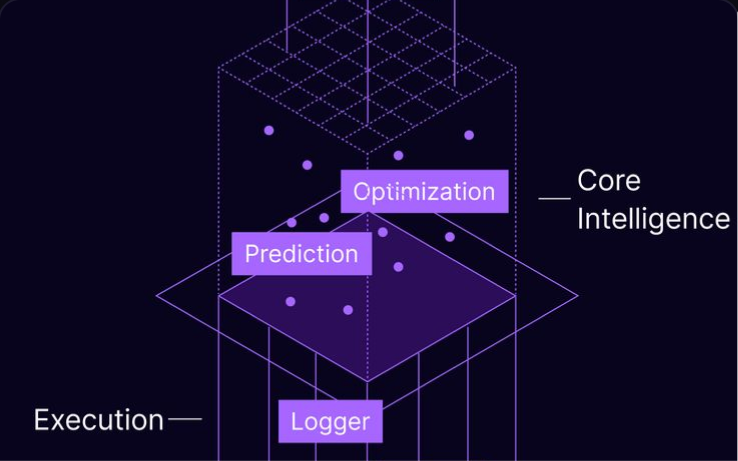
AI-Powered Customer Support QA Evaluator

An LLM pipeline that classifies support calls, routes them through evaluation chains, and generates structured QA reports.
LangChainPydanticRouting
05

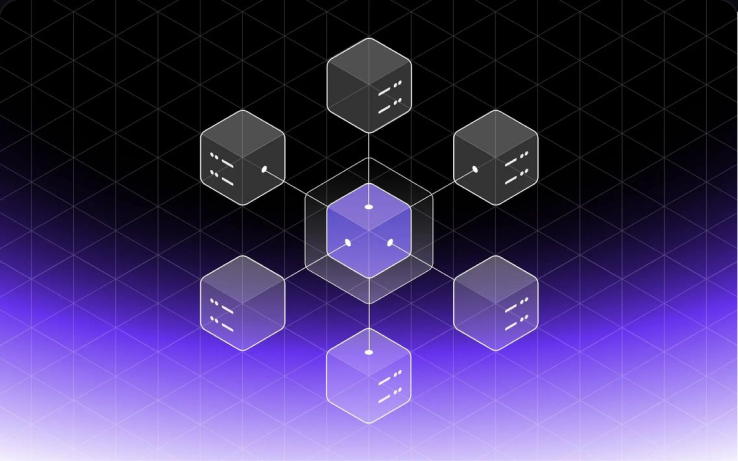
AI Software Engineering Team - Multi-Agent

Specialized LangGraph agents that turn a natural-language requirement into a complete software project - plan, code, test, review.
LangGraphMulti-Agent
06

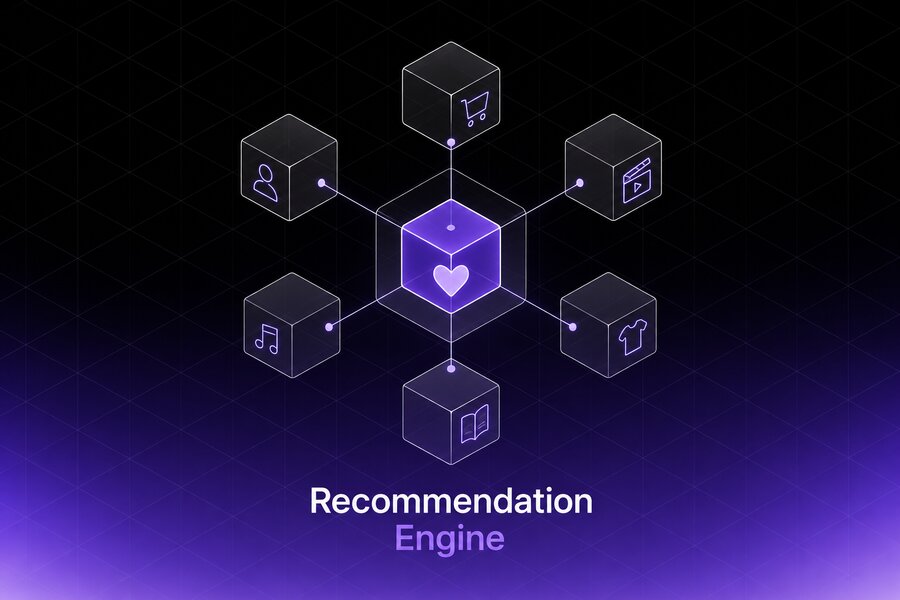
Enterprise Multimodal AI Intelligence Platform

Turn call recordings and documents into analytics-ready insights with multimodal LLMs, retries, rate limits and cost tracking.
MultimodalGPT-4.1
07

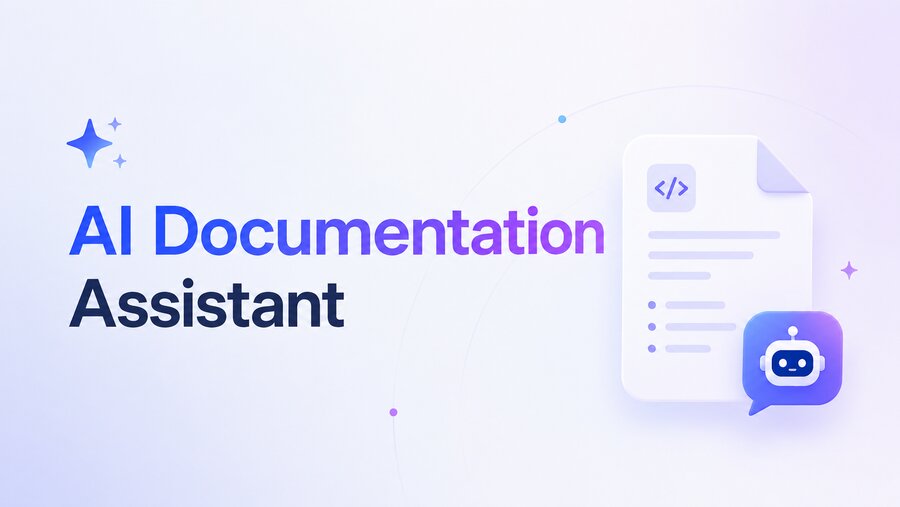
Deploy Open-Source LLMs on AWS with Ollama

Serve Llama models on EC2 with Ollama, exposed as a production REST API with FastAPI, Docker and deployment automation.
AWSOllamaFastAPI
08

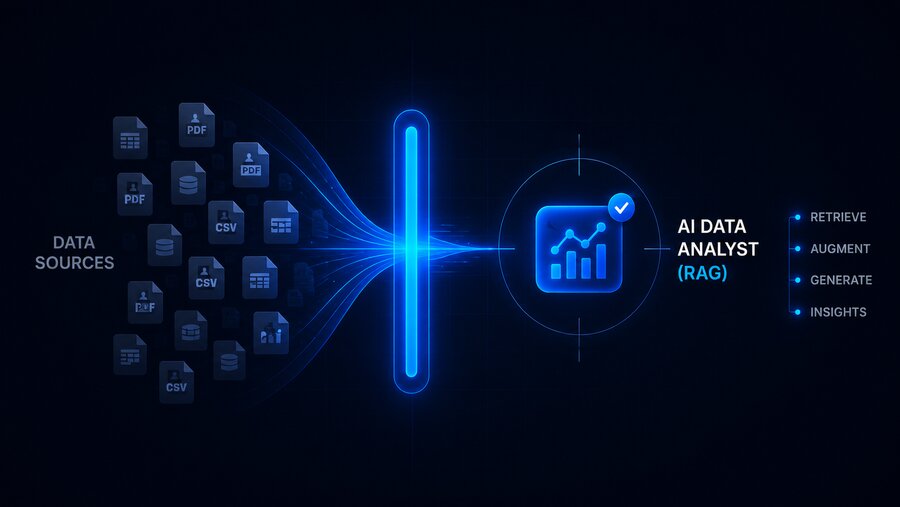
Advanced RAG - Hybrid Search & Observability

Hybrid BM25 + vector search, contextual compression and reranking - monitored end-to-end with LangFuse or LangSmith.
Hybrid SearchRerankingObservability
09

AI Research Assistant - Multi-Agent Workflows

Collaborating agents for planning, web search, extraction, synthesis and fact-checking - orchestrated with LangGraph and MCP.

LangGraphMCPWeb Search

Every project contributes to a professional GitHub portfolio, with later-stage projects deployed to the cloud.
Capstone project

Capstone 1Production LangChain App on AWS
Capstone 2Industry-Grade RAG Application
Capstone 3AI Research Assistant - Multi-Agent
Capstone 4Enterprise Ops Assistant with MCP
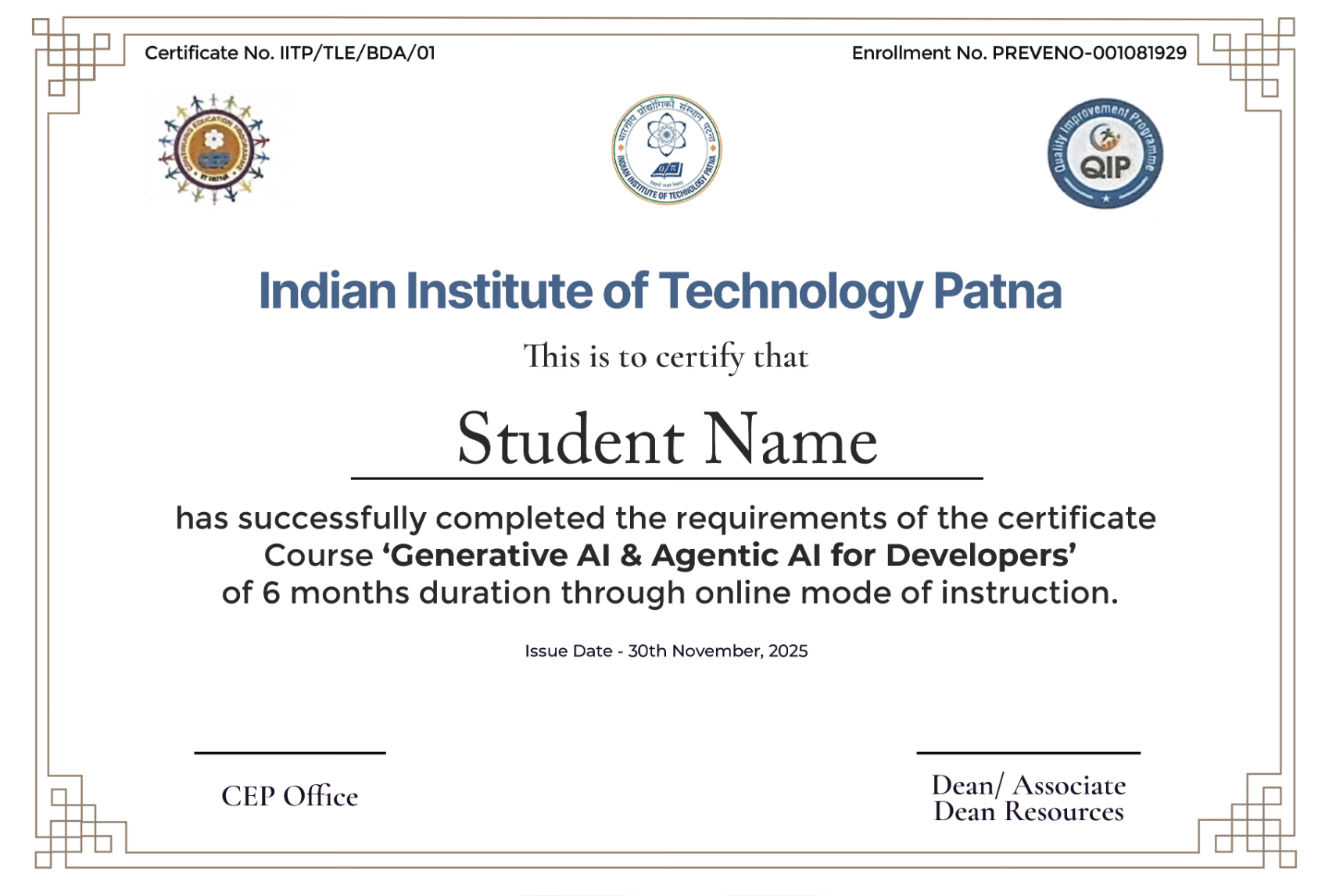
Certificate

Official IIT Patna Certification on Completion of Your Program.

For preview purposes only
Official IIT Patna certificate - Generative AI & Agentic AI for Developers
Issued by IIT Patna

Awarded by the Continuing Education Programme of an Institute of National Importance.

Verifiable & shareable

Unique certificate & enrolment number you can share on LinkedIn and with employers.

Earned, not given

Granted on completion of 6 months of live instruction and a faculty-reviewed capstone.

Programme Fee Structure

Bonus

Recordings, Community & Mentor AMAs

Every live class recorded · dedicated community platform · AMA sessions with industry mentors

No-Cost EMI Available
Program Fee
₹99,999 ₹2,00,000
Batch 3 is open right now at ₹99,999 - early-bird pricing for the first 50 seats. Once these fill, Batch 4 launches at ₹1,34,999.
  • 6 months of LIVE training + recordings & community access
  • 30+ live classes with industry experts + mentor-guided capstones
  • 4 industry-grade capstones - LangChain on AWS, RAG, multi-agent, MCP
  • 2-Day IIT Patna campus immersion (optional)
  • Career acceleration: GenAI resume, portfolio & interview prep with mentors
  • Official "Professional Certificate in Generative AI & Agentic AI for Developers" from IIT Patna
Apply Now
For Teams

Get your company to pay for it.

Most employers reimburse upskilling like this. We hand you everything your company needs to sign off, no chasing, no awkward asks.

Get reimbursed

FAQs

Questions, answered

It is a six-month online, part-time programme for learning how to build, evaluate and deploy LLM-powered applications, RAG systems, AI agents and automation workflows.
Projects include an AI chatbot, PEFT fine-tuning workflow, enterprise RAG assistant, customer-support QA evaluator, multi-agent software team, multimodal intelligence platform, AWS-hosted local LLM server, advanced RAG system and research assistant - and many more interesting real-life, scenario-driven projects.
You must plan at least 4–5 hours weekly for recordings, study, coding and project time in addition to live sessions.
It teaches application engineering: APIs, memory, RAG, retrieval, agents, tools, local models, testing, deployment, cloud infrastructure, observability and portfolio projects - not only prompts.
Choose this programme if your goal is to build LLM applications and agents. Choose a traditional ML programme if your primary goal is classical ML, deep learning research or training models from first principles.
It is designed for software engineers, Python developers, freshers with programming experience, data scientists, ML engineers, cloud or backend engineers and technical professionals moving into GenAI.
No. The programme is application-engineering focused. Basic programming is more important than advanced statistics or prior model-training experience.
Basic Python is recommended. Learners should be comfortable with variables, functions, classes, packages and simple file or API operations.
Yes, if they have programming fundamentals and are prepared for regular coding practice. Freshers should expect to spend additional time revising Python, Git and APIs.
Yes. It is designed to help experienced engineers add LLM, RAG, agent, local-model and deployment capabilities to their existing software-engineering experience.
Retrieval-Augmented Generation connects an LLM to relevant external information so responses can be grounded in private or changing data, with techniques for retrieval, citations and evaluation.
Agentic AI systems use models with tools, state, workflows and decision logic to complete multi-step tasks. The programme teaches controlled, observable and human-approved workflows rather than unrestricted autonomy.
Model Context Protocol is a way to connect AI applications and agents with external tools, data sources and services through standardised interfaces.
Yes. LangChain is used for application components and orchestration, while LangGraph is used for stateful, conditional and multi-agent workflows.
Yes. The programme includes Hugging Face, Ollama, LM Studio and vLLM concepts, along with deployment of open-source models using Ollama on AWS.
Yes. The PEFT project introduces LoRA and QLoRA, adapter weights, quantisation, datasets and inference using an open-source model.
Yes. The programme includes FastAPI, Docker, AWS deployment patterns and a hands-on AWS EC2 project for serving an open-source LLM.
Not for every project. API-based projects can run with normal development hardware. Fine-tuning and local-model labs may use Google Colab, a local GPU or other approved compute options.
The curriculum uses an LLM-agnostic approach and includes providers such as OpenAI, Google Gemini, Claude and Mistral, along with open-source and local models.
Yes. Prompt design is covered alongside structured outputs, schema enforcement, validation, tool calling, evaluation and application architecture.
Yes. The programme covers grounding through RAG, citations, retrieval improvement, structured outputs, validation, evaluation and controlled workflows. No AI system can guarantee zero hallucinations.
Yes. Responsible AI, safety, privacy and guardrails are included in the programme.
You will have documented projects, GitHub repositories, deployed demonstrations where applicable, architecture explanations, project narratives and a GenAI-focused resume.
We do not promise a job or guaranteed placement. The programme provides skills, projects, mentoring and interview preparation to improve job readiness.
Potential roles include Applied AI Engineer, GenAI Engineer, LLM Application Developer, AI Solutions Engineer, RAG Engineer, AI Automation Engineer and software engineer with GenAI specialisation.
The current batch is open at an early-bird price of ₹99,999 for the first 50 seats. No-Cost EMI is available, via Avanse & Propelld. Refunds: 80% before the first day of instruction.
No. It is a professional certificate and should not be presented as a degree, postgraduate degree or government-recognised academic qualification.
Batch 3 · Now Open

Stop calling APIs. Start shipping AI systems.

₹99,999No-cost EMI available
Apply Now
IIT Patna
Tools Curriculum Mentors Projects Certificate Fees FAQs Apply Now